Exploring Packing Boxes for Sale: Discover the Top Deals on Packing Options!
Investigating packing boxes for sale uncovers a wide array of options suited for diverse needs. From classic cardboard to advanced eco-friendly alternatives, consumers can identify solutions tailored to their moving or storage needs. Price comparisons across local retailers and online platforms can reveal significant savings. However, recognizing the factors that determine box costs is essential. The journey into the world of packing solutions is just initiating, and there are several factors to examine.
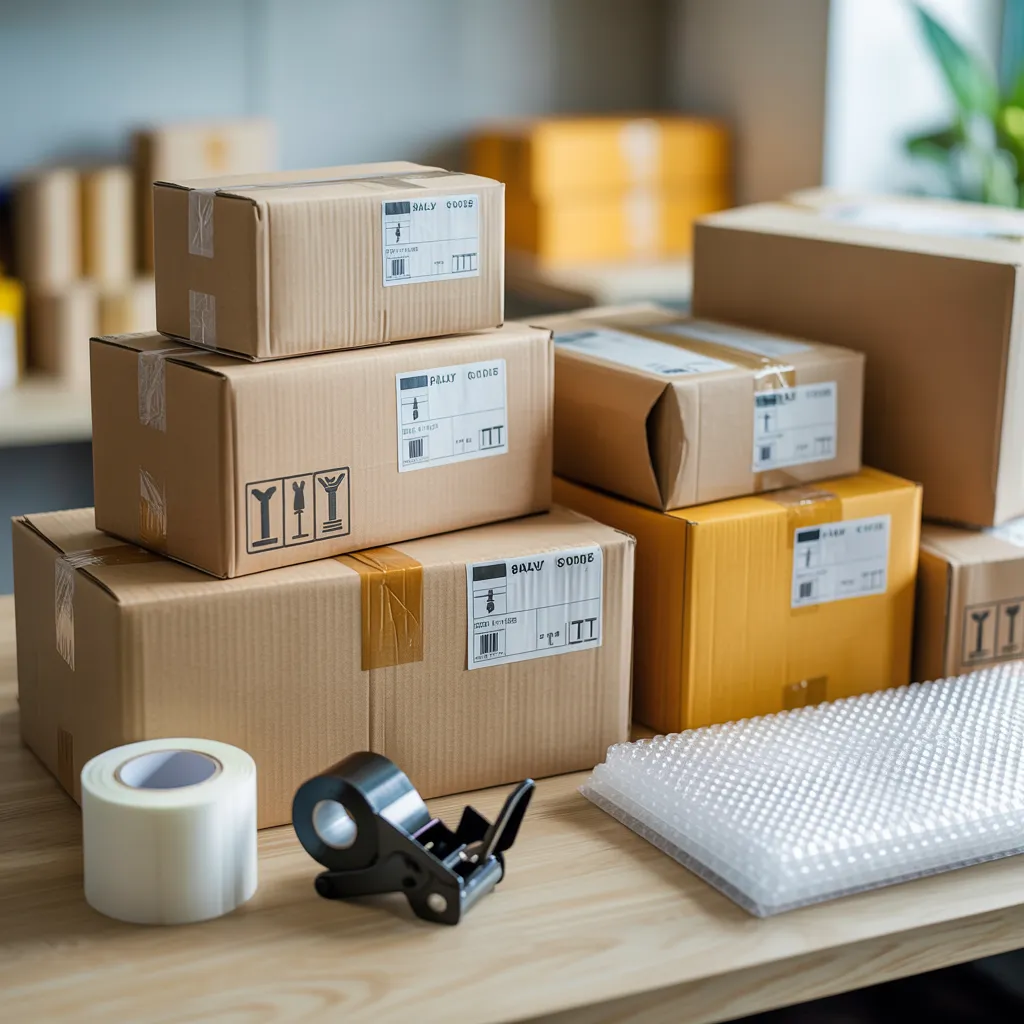
Different Kinds of Packing Boxes on the Market
Various types of packing boxes exist, each designed to meet specific needs. Cardboard boxes remain the most popular choice, ideal for lightweight items and easy to assemble. They're offered in multiple sizes, spanning from tiny to extra-large, housing a variety of goods. For fragile products, specialized boxes exist, including those with partitions, which deliver enhanced safety during shipping. Plastic packing boxes provide durability and moisture resistance, rendering them ideal for extended storage or moving delicate items. For heavy or bulky items, double-walled boxes supply added strength and support. Moreover, flat-pack boxes are available, that are engineered for convenient storage during inactive periods. Every variety fulfills a distinct function, ensuring that individuals and businesses can find the right packaging solution for their specific requirements. Knowing these alternatives is crucial for effective packing and shipping, finally leading to a more streamlined logistics operation.
Where to Locate Affordable Packing Boxes
Finding cost-effective packing boxes can be completed through different methods. Nearby retail stores often have surplus boxes ready, while online marketplace platforms present a broad selection at reasonable prices. In addition, wholesale packaging suppliers present bulk options that can substantially cut costs for those seeking bigger quantities.
Local Retail Store Options
While many online retailers offer convenient options for purchasing packing boxes, local retail stores remain an excellent resource for those seeking affordable alternatives. Large chain stores, including Walmart and Target, usually stock a selection of packing boxes at reasonable rates. Neighborhood hardware shops or DIY centers frequently carry necessary packing materials too. Additionally, grocery and liquor stores frequently have spare boxes available for free or at a nominal charge, making them a valuable option for budget-conscious shoppers. Resale outlets and civic facilities could supply packing resources too, and examining regional listings can reveal valuable discoveries. Through investigating these neighborhood channels, people can discover affordable packing options that satisfy their requirements without paying delivery fees.
E-commerce Marketplace Platforms
For consumers who appreciate the convenience of shopping from home, online marketplace platforms offer a broad selection of packing boxes at reasonable prices. Websites including Amazon, eBay, and Etsy serve various needs, delivering options spanning from standard cardboard boxes to specialized packaging solutions. Shoppers can easily compare prices, read customer reviews, and review different sellers, guaranteeing they find the best deals. Furthermore, many platforms offer bulk purchasing options, making it easier for businesses or individuals requesting larger quantities. With user-friendly interfaces and hassle-free shipping options, online marketplaces streamline the process of sourcing packing materials. As a result, consumers can rapidly locate economical packing boxes without the hassle of visiting physical stores.
Bulk Packaging Providers
When looking for affordable packing boxes, wholesale packaging suppliers represent an excellent option for both businesses and individuals. These suppliers typically offer bulk purchasing options, delivering significant savings on packaging materials. By sourcing directly from manufacturers or distributors, customers can obtain a wide variety of box sizes, styles, and materials to meet their specific needs. Many wholesale suppliers also offer customization services, enabling customers to brand their packaging effectively. Moreover, online directories and trade shows can help identify reputable wholesalers, ensuring quality and reliability. Ultimately, choosing wholesale packaging suppliers can optimize the purchasing process while maximizing value, making them a top choice for those looking to lower costs without compromising on quality.
Sustainable Packing Boxes for Eco-Conscious Moving
With increasing demand for environmentally responsible solutions, green packing boxes have evolved into an essential component of responsible moving practices. These boxes, usually constructed from recycled materials or biodegradable view this substances, provide a practical substitute for traditional packaging options, considerably reducing environmental impact. Many consumers are now prioritizing sustainability, recognizing that their choices during relocation can contribute to a healthier planet.
Sustainable packing boxes are created to be durable and reliable while limiting waste. Businesses dedicated to sustainable packaging have created inventive designs that ensure durability without sacrificing ecological integrity. In addition, these boxes are frequently reusable, fostering multiple uses before disposal.
Selecting eco-friendly packing alternatives not only corresponds to a person's values but also promotes a circular economy. As recognition of environmental issues persistently grow, the market for eco-friendly packing boxes is anticipated to expand, delivering more alternatives for consumers dedicated to sustainable moving practices.
How to Select the Proper Size for Your Specific Needs
Picking the right size of packing boxes is crucial for an smooth moving experience. A careful assessment of the items needing transport will help determine the appropriate dimensions. Larger boxes are suitable for lightweight items, such as bedding or clothing, while smaller boxes are ideal for heavier objects like books or fragile items.
It is important to prevent overpacking boxes, as this may lead to damage or injury in the course of the moving process. In addition, using boxes that are too big may cause wasted space and unstable stacking.
To guarantee proper fit, it's important to measure the largest items and consider grouping comparably-sized objects together. This method not only makes the most of space but also simplifies the unpacking process. In the end, picking the right size packing boxes can enhance organization, protect items, and streamline the entire moving experience, making it more manageable and efficient for everyone participating.
Tactics for Purchasing Packing Boxes in Bulk
When purchasing packing boxes in bulk, it is crucial to evaluate bulk pricing options to guarantee cost-effectiveness. Moreover, assessing box quality standards can avert issues during storage and shipping. Investigating local suppliers' offers may uncover favorable deals and enhance convenience in procurement.
Review Volume Price Points
When many organizations pursue affordable options for their shipping needs, comparing bulk pricing options for packing boxes can lead to substantial cost reductions. By analyzing different suppliers, companies can identify the best deals suited to their specific requirements. It is crucial to assess price breaks at diverse quantity thresholds, as purchasing larger volumes often results in lower per-unit costs. Additionally, businesses should consider shipping costs, as some suppliers include free delivery for bulk orders, increasing overall savings. Establishing a relationship with reliable vendors can also provide discounts and promotions over time. In the end, detailed research and strategic comparisons enable businesses to optimize their packing expenses, making certain they remain competitive in their respective markets.
Examine Box Quality Specifications
Grasping box quality standards is essential for businesses looking to purchase packing boxes in bulk. High-quality boxes guarantee product protection, reduce damage during transit, and improve brand reputation. Critical factors to evaluate include material composition, weight capacity, and durability. Corrugated cardboard is often favored for its strength and versatility, while single-wall boxes may work for lighter items. Additionally, businesses should assess the box's resistance to moisture and temperature fluctuations. Compliance with industry standards, such as ISTA or ASTM testing, can also indicate reliability. By emphasizing these quality standards, companies can make educated decisions, guaranteeing their products arrive safely at their destination while optimizing packaging costs. Quality evaluation ultimately enhances operational efficiency and customer satisfaction.
Investigate Local Providers' Discounts
What methods can companies use to leverage local suppliers for optimal packing box pricing? Via detailed research, businesses can discover regional suppliers with bulk purchase capabilities. Developing partnerships with regional vendors can produce enhanced pricing and tailored service, simplifying beneficial agreement discussions. Additionally, visiting local suppliers allows businesses to inspect box quality firsthand, ensuring suitability for their needs. Engaging in local business fairs or networking functions can likewise provide useful contacts and understanding of regional market movements. Companies might explore employing internet platforms to assess deals and study ratings, confirming they select credible suppliers. Through integrating these approaches, companies can optimize their cost reductions while bolstering the regional economy.
What Makes Packing Boxes Expensive?
Packing box expenses can change dramatically according to several critical factors. A key element is the type of material used for their production. Superior materials, like double-wall corrugated cardboard or custom boxes, can elevate prices. Furthermore, the box dimensions and size serve a crucial function; larger or custom-sized boxes often come with a higher price tag due to increased material costs and manufacturing complexity.
A further significant consideration is the volume purchased. Wholesale quantities typically deliver better pricing, while lower quantities may lead to higher per-unit costs. Moreover, enhanced characteristics like moisture resistance, printing, or custom designs can increase prices considerably. Ultimately, market fluctuations, such as changes in raw material costs or shipping expenses, can alter overall pricing. Understanding these aspects helps purchasers make educated decisions when choosing packing boxes that fit their budget and requirements.
Top Internet Stores for Packaging Materials
While searching for packing supplies online, consumers often come across a variety of retailers that cater to varying needs and budgets. Amazon is prominent as a top choice due to its vast selection and competitive pricing, offering everything from cardboard boxes to packing tape. ULINE is another well-regarded retailer, known for its superior packing materials and bulk purchasing options, ideal for businesses. For those seeking sustainable solutions, Eco-Box specializes in sustainable packaging products. Staples presents a reliable option for office supplies, including packing supplies, often with same-day pickup availability. Additionally, Walmart offers affordable options for consumers wanting convenience and quick delivery. Each of these retailers delivers unique advantages, permitting consumers to compare prices and product quality to find the best deals on packing supplies. By shopping around, individuals can ensure they receive the most suitable packing solutions for their unique needs.
How You Can Use Packing Boxes Outside of Moving
Many individuals overlook the flexibility of packing boxes outside their initial use for moving. These boxes can fulfill a multitude of purposes in daily life. For example, they can be turned into storage solutions for seasonal items, keeping spaces well-organized and clutter-free. Packing boxes are also excellent for crafting projects; with a bit of creativity, they can be transformed into decorative organizers or playhouses for children.
Furthermore, packing boxes can facilitate a home office setup, providing sturdy compartments for documents and supplies. They are also helpful for shipping items, making sure fragile goods are protected during transit. Many individuals transform packing boxes for garage sales, systematically grouping similar items for easy access. On the whole, packing boxes are not just for changing residence; their usefulness extends into different aspects of daily living, making them a valuable resource for both organization and creativity.
Common Questions
Am I Able to Customize Packing Boxes With My Own Branding?
Yes, various companies present customization possibilities for packing boxes, allowing users to integrate their personal branding. This encompasses options for design, color schemes, and logos, boosting brand recognition and delivering a professional appearance to packaging.
Which Materials Are Packing Boxes Usually Made From?
Packaging boxes are typically made from materials like corrugated cardboard, paperboard, and plastic. These materials offer structural integrity and durability, making them perfect for diverse shipping and storage requirements across multiple industries and applications.
How Do I Properly Store Empty Packing Boxes?
Store empty packing boxes in a flat position to maximize space, ideally in a location that is cool and dry. Organizing them through neat stacking or storage bins preserves order and protect against moisture and pest damage.
Is There a Weight Limit for Packing Boxes?
Indeed, packing boxes feature weight restrictions that depend on their construction material and size. Standard cardboard boxes can usually hold between 30 to 65 pounds, while more robust options feature increased weight thresholds, ensuring safe transport and storage.
Are Packing Boxes to Be Recycled After Use?
Shipping boxes can commonly be recycled after usage, given that they are unsoiled and contaminant-free. The majority of recycling facilities welcome cardboard, rendering it an environmentally conscious disposal method and promoting sustainable practices in packaging.